London is the biggest catchment by volume. On any given day there are bookings across Islington, Hackney, Camden, Clapham, Battersea, Wandsworth, Fulham, Hammersmith, Kensington, Greenwich, Canary Wharf and dozens of other postcodes out to the M25. Bristol is the South West base, with drivers across Clifton, Redland, Bedminster and Southville running regular jobs into Bath too.
Up through the country: Manchester is active across Didsbury, Chorlton, Salford, the Northern Quarter and satellite towns including Stockport, Bolton and Bury. Leeds, Sheffield and Liverpool are the other northern hubs. Birmingham handles Edgbaston, Moseley, Harborne, Digbeth and the Jewellery Quarter. Nottingham, Leicester, Coventry and Derby have solid driver coverage. Edinburgh runs New Town, Leith and Stockbridge; Glasgow covers the West End and south side.
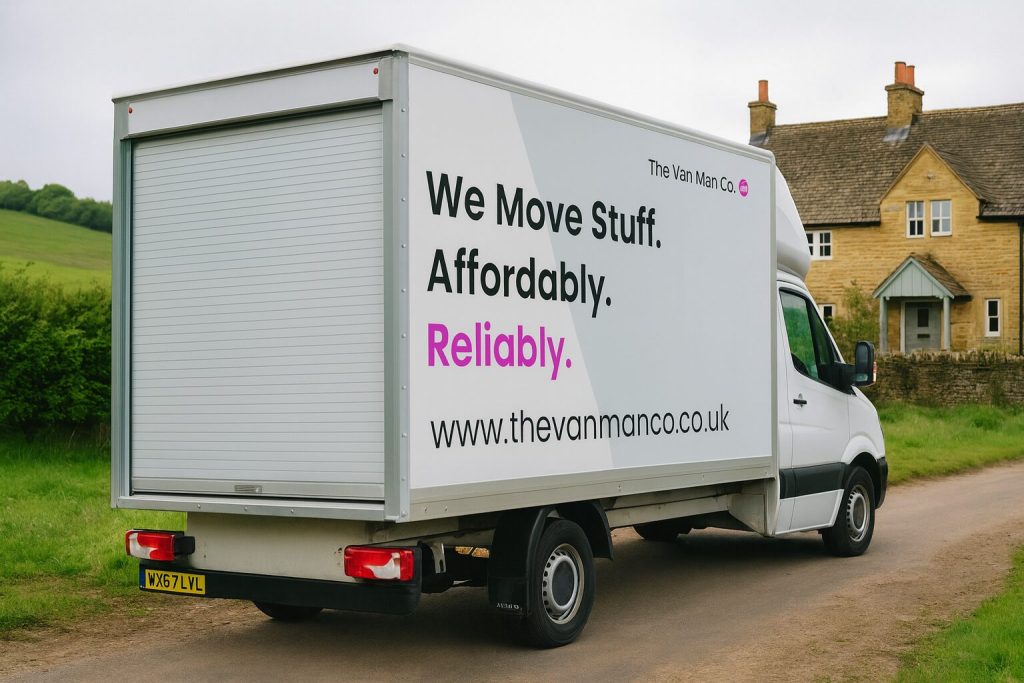
Medium-sized cities with good driver density include Reading, Oxford, Cambridge, Brighton, Southampton, Portsmouth, Exeter, Plymouth, Cardiff, Swansea, Newcastle, Hull, York, Norwich, Northampton, Milton Keynes, Bath, Cheltenham and Gloucester. Rural and market-town coverage extends through the Cotswolds, Lake District, Yorkshire Dales, Peak District and Welsh valleys.
Property type isn’t a constraint. Purpose-built flats, Victorian conversions, terraced houses, semis, detached homes, garden flats, maisonettes, mews houses, new builds and period buildings. What varies is access. Conservation areas, narrow streets and places with parking restrictions need a bit of planning. Flag anything like that in the booking notes and the driver accounts for it.